
A couple in Denver got two quotes for their wedding day last spring. One photographer’s package included a second shooter at no extra charge. The other listed it as an add-on: an extra $650, no explanation attached. They almost skipped it to save money, until their planner asked one question. Who’s going to photograph the groom getting ready while the bride is still in hair and makeup across town? Neither of them had an answer. That’s usually the moment second photographer and videographer add-ons stop feeling optional and start feeling like a real decision, one with a real price tag attached.
Second photographer videographer cost questions tend to come up late in planning, usually right after a couple has already locked in their venue and their primary photographer. By then, the add-on feels like a surprise rather than a budgeted line item, even though it’s one of the most common upsells in the wedding industry. The confusion isn’t really about the dollar amount. It’s about what that dollar amount actually buys: more coverage, more protection against something going wrong, or just another invoice from another vendor.
This guide breaks down what a second photographer or a videographer add-on typically costs, what each one actually covers that a solo shooter can’t, and where the contract fine print matters more than the sticker price. That includes shooter substitution clauses, backup equipment, and music licensing, the details nobody mentions until they suddenly matter. It also covers the red flags that separate a legitimate add-on from a friend with a decent camera and no real contract behind them.
Quick Answer
Quick answer first, details below: a second photographer typically adds $300 to $900 to a wedding photography package, while a standalone videographer package usually runs $1,800 to $5,000 or more, with drone footage and extended highlight reels priced separately.
Second photographer videographer cost depends heavily on market size, hours of coverage, and whether the add-on comes bundled into a package or billed on its own. A second shooter earns its cost when your day has genuine parallel moments, like separate getting-ready locations, a large guest list, or a reception layout that splits activity across two rooms. A videographer earns its cost when you want to hear the vows again, not just see them frozen in a photo.
What a Second Photographer Actually Covers
A second photographer isn’t a backup camera pointed at the same thing twice. A good one works a genuinely different angle, timeline, or location than the lead, which is exactly where the coverage gaps in solo photography tend to live.
The Moments a Solo Photographer Physically Cannot Be in Two Places For
Some parts of a wedding day happen simultaneously in different rooms, sometimes different buildings entirely. A single photographer can only be in one of them at a time, no matter how fast they move between locations.
Getting-ready coverage on both sides of the wedding party
Brides, grooms, and wedding parties often prepare in separate spaces, sometimes miles apart. Without a second shooter, one side gets photographed in detail while the other gets a rushed five minutes squeezed in before the ceremony. A second photographer covers both simultaneously, capturing nervous energy, last-minute touch-ups, and quiet moments that never repeat once the day moves forward.
Guest reactions during the ceremony and speeches
The lead photographer typically faces the couple throughout the ceremony, which means they miss what’s happening behind them. A second shooter, positioned toward the guests, catches tears during vows, laughter during a best man’s toast, and the specific look on a parent’s face that a couple will want years later. These reactions don’t happen twice.
Wide shot and close shot of the same moment, captured together
A first kiss or a ring exchange benefits from more than one framing. The lead might grab a tight, emotional close-up while the second shooter catches a wide shot showing the full scene, the arch, the guests, the light. Editing later gives the couple a real choice between two genuinely different photos of the exact same second.
Formal family photos move faster with a second angle
Large family photo sessions eat more timeline than couples expect, largely because one photographer has to pose, check settings, and shoot in sequence. A second shooter grabs candid shots of the group waiting, plus a clean angle from the side, while the lead handles the main shot. That alone can trim ten or fifteen minutes off a session guests already find tedious.
What a Second Shooter Does Not Replace
It’s worth being honest about the limits here too, since the add-on gets oversold almost as often as it gets skipped entirely.
A second shooter is not a backup lead photographer
If your primary photographer cancels, a second shooter typically can’t step into that role at the same skill level or with the same creative vision. Some can, particularly associate-level shooters trained by the same studio, but don’t assume it by default. Ask directly whether your second shooter could cover the wedding solo in a genuine emergency.
Editing time still usually comes from one person
Two cameras produce meaningfully more images to cull and edit, and most studios still route all of that through the same lead editor. That means a second shooter can extend your delivery timeline rather than shorten it, even though it adds more photos to choose from. Ask upfront whether a second editor helps process the extra volume, since that detail affects your delivery date.
Creative direction still belongs to the lead
A second shooter follows the lead’s lighting style, editing preferences, and overall vision rather than developing their own. If you fell in love with a specific photographer’s portfolio, that person is still setting the tone. The second shooter fills gaps; they don’t reinvent the style.
Second shooters vary widely in experience level
Some second shooters are seasoned photographers building a second business. Others are brand new to weddings, essentially learning on your day. Ask your photographer directly how they select and train the people they bring along, since that answer tells you more than the add-on price ever will.
What a Videographer Adds That Photography Cannot
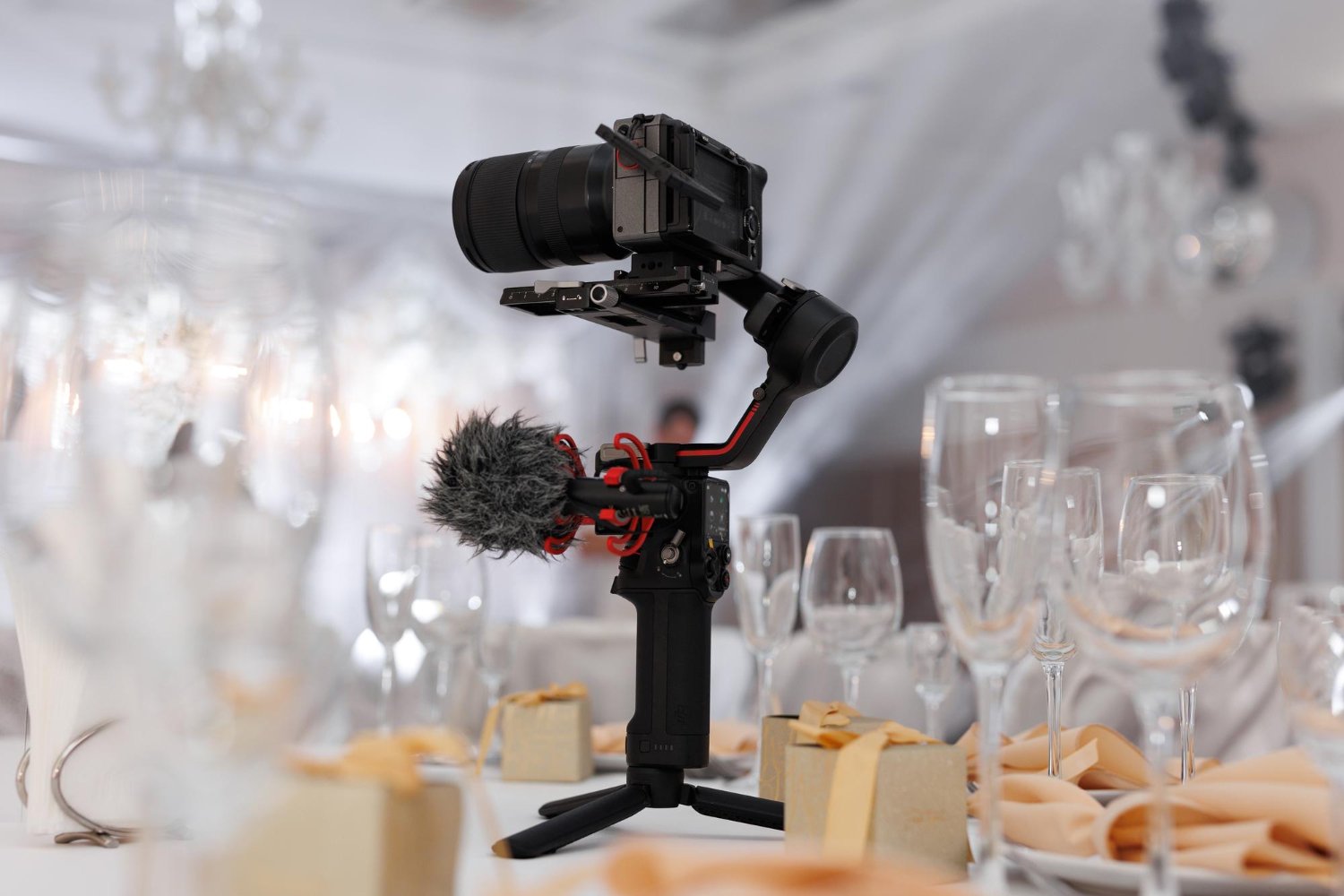
Photography freezes a moment. Video keeps the sound, the motion, and the timing intact, which is exactly what a growing number of couples say they miss most when they look back at photos alone.
Sound and Motion Capture Photography Can’t Touch
Some parts of a wedding day only make sense with audio attached, and no photo, however well composed, can replicate that.
Vows, in the couple’s actual voices
A photo of a couple exchanging vows shows the moment. A video preserves the actual words, the voice cracks, the laugh lines that got ad-libbed on the spot. Couples consistently name this as the single piece of footage they rewatch most, often within the first year of marriage.
The speeches, unedited and in full
Best man and maid of honor speeches run long, funny, occasionally emotional, and entirely unrepeatable. A videographer typically captures the whole thing, not just a photographed reaction shot from the crowd. That full recording becomes the version parents and grandparents actually want copies of.
The first dance, exactly as it moved
A first dance is choreography, timing, and music working together. A single photo captures a pose; video captures the whole arc, including the stumble nobody planned and the moment it turned into something genuinely sweet. Many couples say this clip becomes the one they replay most during anniversaries.
Ambient sound most couples forget they’ll want
The band tuning up, guests laughing at a nearby table, a flower girl narrating her own performance down the aisle. None of that survives in a photograph. Videographers often capture this ambient layer without anyone noticing, and it’s frequently what makes a wedding film feel alive years later.
Package Tiers and What Each One Actually Includes
Second photographer videographer cost comparisons get trickier here, since videography packages bundle several deliverables together instead of simply pricing hours.
Basic packages cover the essentials and little else
Entry-level packages typically include four to six hours of coverage with one videographer and a single highlight reel running three to five minutes. Digital delivery usually lands in four to six weeks. This tier generally skips the ceremony’s full audio and any raw footage access.
Standard packages add coverage hours and editing depth
Mid-tier packages generally stretch to six or eight hours, spanning preparation through the reception. Expect multiple video formats, stronger color correction, and often the option to add drone footage or a second camera operator for a further fee. This tier suits most full-day weddings without pushing into premium pricing.
Premium packages assume a full production, not a single operator
High-end packages run eight to twelve hours with multiple videographers working at once, cinematic color grading, and sometimes access to raw footage alongside the finished film. Custom delivery packaging, like a USB tucked into a keepsake box, often shows up at this tier too. Couples planning elaborate, multi-location weddings tend to land in this tier by necessity.
A same-day content creator is a different product entirely
Some couples hire a wedding content creator instead of a traditional videographer, someone who delivers short-form, social-ready video within hours rather than weeks. This isn’t a cinematic wedding film. It’s a same-day highlight built for sharing online, and it’s worth knowing the difference before comparing prices side by side.
Who Actually Needs a Second Photographer or Videographer
Not every wedding benefits equally from either add-on. A few practical factors decide whether the extra cost buys real coverage or just extra invoices, and second photographer videographer cost decisions get much easier once you name them directly.
Guest Count and Venue Layout Matter Most
These logistics-driven factors tend to settle the question before budget even enters the conversation.
Guest lists over roughly 120 people strain solo coverage
A single photographer covering more than about 120 guests struggles to catch candid moments across a larger crowd. A second shooter spreads that coverage across two people instead of one, catching reactions a solo photographer would simply miss. Larger guest lists also mean longer cocktail hours and receptions, which stretch one photographer even thinner.
Multiple ceremony locations push toward a second shooter fast
Some couples hold a ceremony at one site and a reception somewhere else entirely, sometimes with real travel time between them. A second shooter can stay behind to grab final venue details while the lead travels ahead with the couple. Without that second person, those in-between moments usually disappear from the gallery entirely.
Reception layouts with simultaneous activity need more eyes
A reception with a photo booth, a lawn game area, and a dance floor all running at once creates more happening than one photographer can document. A second shooter lets you actually see all three, not just whichever one the lead happened to be near. That coverage gap is easy to overlook during planning and obvious in hindsight once the gallery arrives.
Small, single-location weddings often don’t need the add-on
A wedding under 75 guests, held entirely at one venue, rarely creates the kind of parallel coverage gaps a second shooter solves. That money might serve you better spent on an album upgrade or extended solo coverage hours instead. It’s worth saying plainly: skipping this add-on isn’t a compromise for a smaller, simpler day.
What You’ll Actually Miss Without Video
Video decisions hinge less on logistics and more on what you’ll genuinely want to relive years from now.
Couples who value sound over stills tend to regret skipping video
If hearing your officiant’s exact words, or your own vows, matters more to you than a printed album, video fills a gap photography structurally can’t close. This isn’t about one format being better than the other; it’s about which one matches what you’ll actually want years later. Couples who skip video sometimes mention regretting it once the wedding starts to feel like a memory rather than a recent event.
Long or unusual ceremonies benefit especially from full coverage
A ceremony with multiple cultural traditions, readings, or a long processional produces more moments worth preserving in full than a short, simple one. Video captures that sequence exactly as it unfolded, not as a series of separate frozen images. Family members from different backgrounds sometimes want their specific traditions documented completely, not summarized.
Guests who couldn’t attend are often the real audience for video
Grandparents unable to travel, or friends stationed overseas, frequently watch the wedding film more closely than anyone who was actually there in person. If your guest list includes people who can’t make it, that alone can justify the cost. A short video call never quite replaces watching the actual ceremony unfold.
Couples planning a short engagement sometimes skip video to save time
Video takes considerably longer to deliver than photos, so a couple eager to see finished memories quickly sometimes prioritizes photography alone. That’s a reasonable trade-off, as long as you’re making it on purpose rather than by accident. Ask your photographer for a realistic photo timeline before ruling video out purely for speed.
Typical Cost Ranges for Second Photographer Add-Ons
Second photographer videographer cost comparisons usually start here, since the second-shooter add-on is the smaller of the two line items and the one couples debate most.
What Couples Typically Pay
Pricing varies by market, but a few patterns hold fairly steady across most regions.
Bundled into the base package roughly a third of the time
Industry data suggests around a third of wedding photographers fold a second shooter into their starting rate rather than charging for it separately. If your quote already includes one, confirm that in writing rather than assuming it carries over if you switch package tiers. The remaining two-thirds price it as a distinct line item you’ll need to request.
Separate add-on fees generally run $300 to $900
When billed separately, expect somewhere between $300 and $900 for a full wedding day, depending on market size and hours of coverage. Smaller markets and shorter days sit at the lower end; major metros and full twelve-hour days push toward the top. Ask for that figure broken out separately, even if it’s folded into a bundled quote.
What the photographer pays the second shooter differs from what you’re charged
Photographers often pay second shooters an hourly rate, commonly $45 to $100 an hour depending on the market and the shooter’s experience, then mark that up to cover editing, coordination, and business overhead. That markup isn’t dishonest; it’s the same margin built into every other line item on your invoice. Understanding that gap helps explain why prices vary so much between studios.
Tipping is separate and easy to forget
A second shooter is a separate person doing separate work, and many couples tip photography teams $100 to $200 per person on the wedding day itself. Budget for this the same way you’d budget for any other vendor gratuity. Set this aside in your final wedding-day envelope well before the ceremony starts.
What Drives the Price Up or Down
Several factors explain most of the variation you’ll see between quotes.
Hours of coverage matter more than the flat label
A second shooter for two hours of formals costs meaningfully less than one covering a full twelve-hour day. Ask exactly how many hours the add-on includes before comparing it against a competitor’s quote. A quote listing only “second shooter included” without hours attached is worth clarifying.
Experience level changes the number substantially
Seasoned second shooters who handle low light and fast-moving moments independently cost more than someone new to weddings. That higher rate often buys genuinely better images, not just a bigger invoice. It’s worth asking how many weddings that specific person has actually shot.
Market size shifts the entire range
Second shooters in major metro areas like New York or Los Angeles often charge noticeably more than those in smaller cities or rural markets, and photographers pass that difference along. Location matters here nearly as much as experience does. A photographer relocating for your destination wedding may price closer to their home market instead.
Editing time is the hidden cost photographers absorb, not you
Two cameras produce significantly more images to sort and edit, and that extra time rarely shows up as a separate line on your invoice. It’s worth knowing this exists, mostly because it explains why some photographers quietly avoid offering the add-on at all. It’s a reasonable explanation for why some studios cap how many second-shooter add-ons they’ll take per season.
Typical Cost Ranges for Videographer Packages
Videography carries a noticeably higher price tag than a second photographer add-on, largely because it’s a separate specialty rather than an extra set of hands.
Highlight Reel vs Full Ceremony vs Drone Add-Ons
Not every videography package includes the same deliverables, even at similar price points, so it’s worth comparing what’s actually included rather than the number alone.
National averages sit around $3,200 to $4,800
Recent wedding industry data puts the national average wedding videography cost near $3,993, with most couples spending between $3,200 and $4,800. That typically represents somewhere around eight percent of a total wedding budget. Get at least three local quotes before assuming the national figure applies to your market.
A highlight reel alone is the smallest deliverable
A three-to-five-minute highlight reel, cut from the day’s best moments, is usually the base deliverable even at entry-level pricing. It’s the version most likely to get shared, but it skips full speeches and the complete ceremony. Ask exactly how many minutes of footage that reel typically runs before you compare packages.
Full ceremony footage costs more because it needs more editing
A complete, lightly edited ceremony film preserves vows and readings in full. This typically sits in mid-tier packages, since it demands additional camera angles and longer post-production time than a highlight reel alone. Couples who want every reading and every vow preserved usually need this tier specifically.
Drone footage is nearly always a separate line item
Aerial shots of the venue require a licensed drone operator, additional equipment, and often a separate insurance policy, so most videographers price it as an add-on rather than folding it into standard packages. Confirm the operator holds an FAA Part 107 certification before you pay for this specifically. Some venues also restrict drone use entirely, so confirm permission before you pay for it.
Regional and Seasonal Price Swings
The national average hides a wide range once you account for where and when you’re getting married.
City-to-city variation can double the price
Videography averages in smaller metros like Salt Lake City run closer to $3,000, while major markets like San Francisco can climb past $6,000 for comparable coverage. Get local quotes rather than budgeting off a national number alone. Even neighboring cities can show noticeably different averages depending on local demand.
Peak wedding season pushes prices and timelines both
Summer and early fall bring the highest demand, which means both higher rates and longer waits for popular videographers. Booking six to twelve months out gives you more room to negotiate than booking during peak season with three months left. Off-season dates, by contrast, often come with more room to negotiate on price.
Overtime rates add up fast on a running-late day
Most contracts specify overtime charges, often $200 to $400 per hour, once the day runs past the contracted coverage window. A quick call to the venue about typical turnover times helps you budget accurate hours upfront. A reception that starts thirty minutes late can trigger a full hour of overtime billing.
Rush delivery and raw footage access cost extra almost everywhere
Wanting your film faster than the standard timeline, or wanting access to unedited raw footage, typically adds $50 to $200 or more on top of the package price. Ask about both options before you sign, even if you don’t plan to use them. Confirm the exact fee in writing rather than assuming it matches a competitor’s pricing.
| Package tier | Typical coverage | What’s usually included | Typical price range |
|---|---|---|---|
| Basic | 4-6 hours, one videographer | Single highlight reel (3-5 min), digital delivery in 4-6 weeks | $1,500-$2,800 |
| Standard | 6-8 hours, prep through reception | Multiple edited formats, color correction, optional drone or second camera | $2,800-$4,800 |
| Premium | 8-12 hours, multiple videographers | Cinematic color grading, raw footage access, custom delivery packaging | $4,800-$8,000+ |
| Same-day content creator | Full day, one operator | Short-form, social-ready edit delivered same day or next day | $500-$999 |
Contract Fine Print: Shooter Substitution and Backup Equipment

The price tag gets most of the attention, but the clauses buried in a photography or videography contract often matter more once something goes wrong on the actual day.
The Substitution Clause
Most contracts include language covering what happens if your booked photographer or videographer can’t show up, and the details vary more than couples expect.
Ask who specifically replaces your shooter in an emergency
A vague line like “a qualified substitute will be provided” tells you almost nothing. Ask for a name, or at minimum a description of that person’s experience level, before you sign anything. Push past a generic reassurance until you get an actual name or process.
Second shooters sometimes double as substitution insurance
Studios that regularly use associate or second shooters often keep a built-in bench of trained substitutes, which can make the substitution clause far more reassuring in practice. Ask directly whether your second shooter could step into the lead role if needed. This overlap is worth asking about directly, since not every studio structures things this way.
Style consistency isn’t guaranteed even with a solid substitute
A qualified replacement still might not match your original photographer’s exact editing style or shooting approach. That’s a reasonable trade-off in a genuine emergency, but it’s worth knowing upfront rather than discovering it in your finished gallery. Ask to see that substitute’s own portfolio so you know roughly what to expect.
Refund terms for a no-show should be spelled out, not implied
Confirm what happens financially if no substitute is available at all. A contract silent on this point leaves you negotiating after the fact, during an already stressful moment, instead of before you’ve paid a deposit. A contract that stays silent here is telling you something about how seriously it treats this risk.
Backup Equipment and Redundancy
Gear fails. A contract that acknowledges this plainly is more trustworthy than one that skips the topic entirely.
Dual card slots protect against a single corrupted memory card
Professional cameras that write to two memory cards simultaneously mean a single card failure doesn’t wipe out irreplaceable moments. Ask whether your photographer’s gear does this as standard practice. This is a small technical detail that quietly prevents a genuinely devastating loss.
A second camera body onsite covers a hardware failure
Cameras jam, drop, or simply die mid-event, and a second body ready to swap in prevents a mechanical failure from becoming a coverage gap. Established professionals treat this as standard practice, not an unusual ask. A photographer without a backup body is one dropped camera away from missing your ceremony entirely.
Backup batteries and lighting equipment matter more at receptions
Low light and long hours drain batteries fast, and a photographer without backups risks losing coverage exactly when the dance floor gets going. Confirm this sits in their standard kit, not as an afterthought. A dead flash during the first dance is a preventable problem, not bad luck.
Ask this question directly rather than assuming it’s covered
“What’s your backup gear plan?” is a completely reasonable question that any established photographer or videographer should answer confidently and specifically. Hesitation here is worth noting. A confident, specific answer is far more reassuring than a vague “we’ve got it handled.”
Copyright, Usage Rights, and Music Licensing
Who actually owns your wedding photos and video, and what soundtrack legally plays under your wedding film, are two separate questions most couples never think to ask until later.
Who Owns the Photos and Video
Photographers and videographers almost always retain copyright over their own work, even though you paid for the day.
The photographer usually keeps copyright by default
Under standard industry practice, the person behind the camera retains copyright ownership, while the couple receives a license to use the images personally. This is normal, not a red flag, but it explains why you can’t legally hand your wedding photos to a stranger for commercial use. Most couples find this reasonable once they understand what the license actually grants them.
Your license covers personal use, not automatic commercial use
A standard license typically covers printing, sharing, and posting for personal purposes. Using a wedding photo in an ad campaign or a business promotion usually requires separate permission, something worth clarifying if you run a business and might want to use the images that way. Photographers who run a business, like a bakery or a florist, should ask about this specifically.
Ask about marketing rights directly instead of assuming them
Most contracts grant the photographer the right to use your images in their own portfolio or marketing. Raise this directly if you’d prefer certain photos, like anything at a private location, to stay out of a public portfolio. This is a simple, low-stakes question that most photographers answer without hesitation.
Print releases matter more than couples expect
A print release specifically allows you to order prints from a lab of your choice, rather than only through the photographer. Confirm whether yours includes one, since some contracts restrict printing to the photographer’s preferred vendor only. Without one, ordering prints anywhere but the photographer’s own lab can violate your agreement.
The Music Licensing Problem in Wedding Films
This is the part almost nobody explains upfront, and it can quietly limit where and how your wedding video ever gets shared.
Copyright protection applies even to private, non-commercial videos
A common misconception holds that using a favorite song in a private wedding video doesn’t count as infringement since nobody’s selling it. Copyright law doesn’t work that way. Unlicensed use of a copyrighted song can trigger a takedown or a copyright claim, regardless of intent.
Platforms flag unlicensed music automatically, no warning first
Posting a wedding film with popular copyrighted music to platforms like YouTube or Instagram often triggers an automated match, which can mute the audio entirely or block the clip from playing in certain places. That’s a frustrating outcome after months of waiting for the final film. By the time you notice, the video has already sat muted for days.
Licensed music services exist specifically for this problem
Services built for wedding filmmakers offer single-song licenses or subscription access to large catalogs, sometimes covering tens of thousands of tracks cleared specifically for this kind of use. Ask your videographer whether they license their music this way as standard practice. Many videographers already pay for access to one of these catalogs as a standard business cost.
“Is the music in my final film properly licensed?”
This is a completely fair, non-awkward question to ask before you sign anything. A videographer who can’t answer clearly, or who brushes the question off, deserves a second look before you book them. Write the answer down, since a verbal yes is harder to reference later than a written one.
Editing and Delivery Timelines

Second photographer videographer cost planning has to account for time, not just money, since delivery windows differ dramatically between the two services. The gap between your wedding day and the moment you actually see your photos or film is longer than most couples expect.
Photo Delivery Norms
Photo editing timelines scale roughly with how many images the day produced.
Smaller weddings typically deliver in three to four weeks
A wedding producing a couple hundred final images generally moves through editing faster than a larger event, simply because there’s less to cull and retouch. Three to four weeks is a reasonable expectation for a smaller guest list. This shorter window makes smaller weddings a bit easier to plan a reveal party around.
Larger weddings can stretch delivery to six or eight weeks
A six-hundred-plus-photo gallery from a large wedding takes proportionally longer to edit, sometimes running six to eight weeks from the wedding date to final delivery. Confirm this range with your specific photographer rather than assuming it based on a friend’s timeline. Plan any post-wedding slideshow or thank-you cards around that longer window instead of the shorter one.
Peak season slows everyone down, not just your photographer
Summer and early fall bring the heaviest wedding volume, and a photographer editing several weddings back to back naturally takes longer per gallery. If your wedding falls in peak months, ask whether that affects your specific delivery estimate. A fall wedding booked during the busiest months should expect the longer end of any estimate.
A sneak peek within a week is common and worth asking about
Many photographers deliver a small batch of edited images, often twenty to fifty photos, within a week of the wedding while the full gallery is still in progress. This isn’t standard everywhere, so ask if it matters to you. It’s a small gesture that meaningfully shortens the wait for the full gallery.
Video Delivery Norms
Video editing takes meaningfully longer than photo editing, and the gap surprises a lot of couples who assumed the timelines would roughly match.
The industry average runs fifteen to twenty-five weeks
Full wedding film delivery commonly takes fifteen to twenty-five weeks industry-wide, close to six months in many cases, largely because color correction, sound mixing, and music selection all add substantial editing time beyond simple photo culling. That’s a long wait compared to photography, and it catches many couples off guard. Build this timeline into any plans that depend on having the finished film in hand.
Some studios deliver considerably faster, as a selling point
Certain videography studios specifically market faster turnaround, sometimes eight to twelve weeks or less, as a differentiator from the industry norm. If a fast timeline matters to you, ask about it directly rather than assuming standard speed. A faster timeline sometimes comes with a smaller team or a simpler editing style, so ask what’s traded off.
A highlight reel usually arrives before the full film
Many videographers deliver the shorter highlight reel first, sometimes within four to eight weeks, while the full ceremony and speech footage takes considerably longer to finish. Ask which deliverable arrives first if you’re hoping to share something sooner. That earlier delivery is often the version couples end up sharing first anyway.
Get the delivery date in writing, not as a verbal estimate
A specific delivery date, or at minimum a specific range, belongs in your contract rather than a casual conversation during your initial meeting. That written commitment becomes useful leverage if delivery runs significantly past what was discussed. A written date also gives you something concrete to reference if delivery slips significantly.
Green, Yellow, and Red Flags When Hiring an Add-On Shooter
Not every unfamiliar term or slightly awkward answer signals a problem. Sorting what you hear during a consultation into these three categories makes the decision considerably easier.
Signs the Add-On Is Legitimate
These signals generally suggest a photographer or videographer who has thought this through before you asked.
A written contract specific to the second shooter or videographer
A separate or clearly written section covering the add-on’s hours, deliverables, and payment terms is a strong green flag. It shows the studio treats this as a real service, not an informal favor between colleagues. This document doesn’t need to be lengthy, just specific enough to hold both sides accountable.
Willingness to name the actual second shooter or videographer
A studio that can tell you exactly who’s covering your second angle, along with a bit of their experience, is showing genuine organization. Vague answers like “someone from our team” deserve a follow-up question. A confident studio shares this detail early, often before you even ask.
Clear answers about backup gear and substitution plans
Direct, specific answers about equipment redundancy and emergency substitutes suggest a business that has actually planned for things going wrong, rather than hoping they won’t. A studio that answers these questions without hesitation has clearly handled them before. Treat clarity here as a meaningful sign of overall professionalism.
A sample of second-shooter or videographer work you can actually review
Ask to see a gallery or film specifically shot by the second photographer or videographer assigned to your date, not just the lead’s overall portfolio. A studio confident in that person’s work will show it without hesitation. If a studio can’t produce this, that gap alone is worth asking about directly.
Warning Signs Worth Pausing On
None of these automatically disqualify a vendor, but each deserves a direct follow-up before you commit money.
Vague pricing with no breakdown of what’s included
A flat “second shooter, plus $500” with no explanation of hours or deliverables makes it hard to compare against other quotes fairly. Ask for specifics before assuming the number is reasonable. A studio confident in its pricing should have no problem itemizing exactly what that fee covers.
Reluctance to put the second shooter’s role in writing
If a studio prefers to keep the add-on verbal rather than written into the contract, treat that as a reason to ask more questions, not fewer. This pattern shows up more often than it should in an otherwise well-run business. Treat it as a prompt to ask more questions, not an automatic dealbreaker.
No sample work from the specific person covering your day
A portfolio showing only the lead photographer’s work tells you nothing about the person who’ll actually be capturing half your coverage. Push for something specific before you commit. General portfolio samples from the lead photographer don’t answer this question at all.
Defensive or dismissive answers about substitution or backup gear
A photographer who bristles at “what happens if your camera fails” is telling you something real about how they’ll handle an actual problem on your wedding day. A calm, direct answer to a fair question is a reasonable baseline to expect. Defensiveness here often predicts how they’ll handle an actual problem on your wedding day.
Scam Check: The “Friend With a Camera” Problem
Most second-shooter and videography add-ons come from legitimate professionals. A smaller number come from someone with a decent camera, no contract, and no real experience under wedding-day pressure.
How to Spot an Unlicensed or Unserious Second Shooter
A few patterns show up consistently among add-on shooters who aren’t actually prepared for the job.
No business name, no invoice, no paper trail at all
A legitimate second shooter or videographer, even a freelance one, typically operates under some kind of business structure and provides an invoice. Cash-only arrangements with no documentation leave you with no recourse if something goes wrong. This isn’t about formality for its own sake; it’s about having somewhere to turn if something goes wrong.
No portfolio specific to weddings, only casual photography
Wedding photography and videography demand specific skills: low light performance, fast-moving candid work, and composure under time pressure. Someone whose portfolio is entirely landscapes or family portraits hasn’t necessarily built those particular skills yet. Ask to see wedding-specific work before assuming general photography experience transfers directly.
No insurance, which matters more than couples realize
Professional liability and equipment insurance protect against dropped gear, venue damage, or an injury during the event. A shooter without insurance shifts all of that risk directly onto you and your venue. Ask your venue whether they require proof of insurance from every vendor on-site, including add-ons.
Pressure to skip a written agreement entirely
“We don’t really need a contract, it’s casual” makes sense as a favor between friends. It stops making sense once real money and irreplaceable moments are on the line. A reasonable professional understands why you’d want documentation for a day this significant.
How to Verify Before You Pay a Deposit
A handful of simple checks catch most problems before any money changes hands.
Ask for recent wedding-specific references
A legitimate second shooter or videographer should be able to connect you with a recent couple willing to share their honest experience. Reluctance here is worth noting. A studio with nothing to hide typically connects you within a day or two.
Confirm liability insurance directly with the studio
Many venues actually require proof of vendor insurance before allowing anyone to shoot on their property. Ask your primary photographer or videographer for this documentation, and confirm it covers whoever specifically will be on your date. Some venues will actually turn away an uninsured vendor at the door, even on the wedding day itself.
Search their name alongside “wedding” and “review” independently
A quick search surfaces patterns that a polished sales conversation won’t, including genuine past client experiences separate from a curated testimonials page. This takes about five minutes and rarely feels like wasted time. A pattern of similar complaints across multiple platforms is worth taking seriously.
Get the add-on written into your primary contract, not a side agreement
A second shooter or videographer folded into your main contract, rather than arranged informally on the side, gives you the same legal protections as the rest of your wedding vendor agreements. A side agreement, however well-intentioned, tends to carry less weight if a dispute ever comes up. Keeping everything under one contract simplifies things considerably.
Questions That Feel Awkward but Are Worth Asking
Some of the most useful questions feel like they’re implying distrust of a photographer you’re genuinely excited to work with. Ask them calmly anyway, and pay attention to how directly they’re answered.
Questions for Your Primary Photographer
These questions get specific, checkable answers rather than reassurance alone.
“Who exactly is my second shooter, and what’s their experience?”
A name and a specific answer beats “someone experienced from our team” every time. This question also tells you whether the studio treats the second shooter as a real team member or an interchangeable extra. If the answer changes closer to your date, ask why and request an update in writing.
“What happens to my timeline if you’re both editing more photos?”
This surfaces whether adding a second shooter will extend your delivery date, something many couples don’t think to ask until they’re already waiting past the original estimate. Get a specific answer, not just a reassurance that it “shouldn’t be a big deal.” A studio that has thought this through can usually give you a real number.
“Can I see a full gallery shot partly by this second photographer?”
A studio confident in their team’s work will show you a complete gallery rather than a handful of curated highlight images picked for marketing. A complete gallery shows consistency across an entire day, not just a handful of polished shots. That consistency matters more than any single standout image.
“What’s included if I add a second shooter versus skip it?”
Getting a direct comparison, in writing, helps you evaluate whether the add-on is genuinely worth its price for your specific day rather than a default upsell. Ask for this comparison in writing so you can weigh it calmly later, away from the excitement of a consultation. A studio that can’t articulate the difference may not have thought it through.
Questions for a Videographer Specifically
Videography carries its own set of details worth confirming before you sign.
“Do you license the music you use in wedding films?”
This single question prevents a frustrating surprise later, when a beautifully edited film gets muted or restricted after you try to share it online. A yes should come with specifics, like the name of the licensing service they use. A vague or hesitant answer deserves a direct follow-up question.
“Do I get raw, unedited footage, or only the final cut?”
Some couples want backup access to raw footage; others are fine with only the polished film. Either answer is reasonable, but you should know which one you’re actually paying for. Raw footage takes up significant storage space, so ask how it’s delivered if you do want it.
“What’s my realistic delivery date, in writing?”
Given how much longer video editing takes than photo editing, a specific written estimate matters more here than almost anywhere else in the contract. Push past a rough estimate and ask for an actual range tied to your specific wedding date. That range belongs in your contract, not just in an email thread.
“Can you confirm a drone operator’s certification before the day?”
If aerial footage is part of your package, confirming FAA Part 107 certification in advance avoids a last-minute scramble or an uninsured operator showing up on your wedding day. A legitimate operator should have this documentation ready without any pushback. Skipping this check risks losing the aerial footage entirely if the operator turns out to be unlicensed.
Hidden Costs and Add-On Fees to Budget For

The headline package price rarely tells the whole story. A handful of costs tend to surface later, usually during final contract review or right after the wedding itself.
Fees That Show Up After the Contract Is Signed
These specific line items catch couples off guard because they rarely appear on the initial quote page.
Travel fees for destination or out-of-market weddings
A photographer or videographer traveling outside their usual service area typically charges mileage, a flat travel fee, or covers flights and lodging for longer trips. Confirm this before assuming your out-of-town wedding fits inside the quoted price. Get this quoted as an exact number rather than a rough estimate before you sign.
Meals for the vendor team during long coverage days
Most contracts expect the couple to provide a vendor meal for anyone covering more than about six hours. This is standard practice, not an unusual add-on, but it’s easy to forget when finalizing your catering headcount. Coordinate this with your caterer early so nobody discovers the gap the morning of the wedding.
Album and print upgrades priced separately from digital delivery
Digital files are often the base deliverable, with physical albums, canvas prints, or parent albums arriving as separate add-ons afterward. Ask for a full price list of these options before you’re deep in the excitement of choosing photos. These upgrades can add several hundred dollars if you’re not tracking them against your original budget.
Engagement session costs when not bundled into the package
Some wedding packages include an engagement shoot; many don’t. A standalone engagement session typically runs an additional cost separate from wedding-day coverage, so confirm whether yours includes one. Ask this question early, since some studios discount it when booked alongside the wedding package.
Costs Tied to Timing and Delivery
Some of the biggest surprises aren’t about what you’re buying. They’re about when you need it.
Rush delivery fees for a faster turnaround
Wanting your gallery or film faster than the standard timeline, maybe for a slideshow at an anniversary party, typically costs extra. Ask about this option even if you don’t think you’ll need it. Weigh whether the extra cost genuinely matters against simply waiting the standard timeline.
Overtime charges when the day runs long
A reception that runs past the contracted coverage window triggers overtime billing in most contracts, often at a noticeably higher hourly rate than the base package. Build a buffer into your timeline to avoid this entirely. A short buffer built into your timeline is cheaper than an hour of overtime billing later.
Late booking premiums during peak wedding season
Booking a second shooter or videographer with only a few weeks’ notice, especially during summer or fall, often costs more than booking six months out. Treat these add-ons like any other vendor booking, with the same early timeline. Booking early also gives you more choice among available second shooters, not just a better price.
Cancellation and rescheduling fees buried in the contract
If your date changes, confirm whether the second shooter or videographer’s fee is refundable, transferable, or forfeited entirely. This detail matters more than it seems during the relatively calm process of signing a contract months in advance. Ask this question even if a date change feels unlikely right now.
Worst-Case Scenario and the Backup Plan
The worst version of this problem isn’t a second photographer who’s merely adequate. It’s discovering, weeks after the wedding, that promised coverage never actually happened, or that a videographer’s music choices made the final film impossible to share anywhere.
Picture a couple who paid for a second shooter specifically to cover the groom’s getting-ready photos, only to learn afterward that no one showed up on that side of the venue. Or picture a finished wedding film, gorgeous and emotional, that gets muted the moment it’s uploaded because the editor dropped in a popular song with no license attached. Neither scenario involves outright fraud. Both come from assumptions nobody confirmed in writing before the wedding day arrived.
The backup plan starts before you sign anything. Get the second shooter’s name, hours, and specific coverage areas written into your contract, not just implied by a package name. Confirm your videographer licenses their music, and ask to see a recent, unmuted example posted publicly. If your day has genuine coverage gaps, don’t wait to discover them the morning of the wedding; walk through the timeline with your photographer weeks ahead and confirm who’s covering what, specifically.
If something still goes wrong, document it immediately with photos, texts, or emails, and raise it with the studio in writing rather than waiting until the final gallery arrives. Most reputable studios will make it right, whether that’s a partial refund, a re-edit, or a genuine explanation you can evaluate. A contract with clear substitution and delivery terms is what gives that conversation actual leverage instead of just frustration.
Frequently Asked Questions
Is a second photographer really worth the extra cost?
For weddings with separate getting-ready locations, large guest counts, or split-activity receptions, usually yes. For a small, single-location wedding with a short guest list, a solo photographer often covers everything that matters.
How much does a second photographer typically add to the total cost?
Expect somewhere between $300 and $900 as a separate add-on, though roughly a third of photographers already fold one into their base package pricing.
Is a videographer more expensive than a second photographer?
Yes, considerably. A second photographer add-on typically costs a few hundred dollars, while a standalone videography package usually runs into the thousands, closer to $3,200 to $4,800 nationally on average.
Can I add a videographer after already booking my photographer?
Yes, this is common. Many couples book photography first and add videography later, though popular videographers fill their calendars early, so don’t wait too long during peak wedding season.
Do second photographers need their own contract?
Ideally yes, either as a clearly detailed section within your main contract or a separate written agreement. A verbal arrangement leaves you with little recourse if coverage doesn’t happen as promised.
What’s the difference between a second shooter and an associate photographer?
A second shooter typically supports the lead during one wedding. An associate photographer often trains more extensively with the same studio and may handle weddings independently under that studio’s brand.
Why does wedding video take so much longer to deliver than photos?
Video editing involves color correction, sound mixing, and music licensing on top of basic editing, which adds substantial time compared to photo culling and retouching alone. Industry averages run fifteen to twenty-five weeks for full films.
Can I use my own music choices in the wedding video?
Sometimes, but your videographer still needs to license that specific song for use in your film, especially if you plan to share it online. Ask directly whether your chosen songs are available through their licensing service.
Is drone footage worth the extra cost?
For venues with striking grounds or architecture, many couples find it genuinely worthwhile. For a small indoor venue, the aerial perspective often adds less value relative to what it costs.
What happens if my second shooter cancels close to the wedding?
A solid contract should specify what happens here, ideally naming a substitution process. Ask this question directly before booking rather than assuming a replacement will simply appear.
Do I own the copyright to my wedding photos and video?
Generally not automatically. Photographers and videographers typically retain copyright while granting you a license for personal use, which counts as standard industry practice rather than a red flag.
Should I ask to meet my second shooter before the wedding?
It’s a reasonable request, especially for a larger or more complex wedding day. A studio confident in their team should arrange at least a brief introduction or call.
What’s a fair amount to tip a second photographer or videographer?
Many couples tip photography and videography teams $100 to $200 per person, similar to other wedding-day vendors, though this isn’t mandatory and varies by region and relationship.
Can I negotiate the price of a second shooter add-on?
Sometimes, particularly for off-peak dates or shorter coverage windows. It doesn’t hurt to ask, though a studio with strong demand may have less flexibility than a newer one still building their portfolio.
How can I check whether my videographer licenses their music properly?
Ask directly, and look for evidence in their portfolio: films posted publicly with music intact and unmuted are a reasonable sign their licensing practices hold up.
What if I only want a videographer for the ceremony, not the whole day?
Many videographers offer shorter, ceremony-only packages at a reduced price. Ask specifically, since this option isn’t always advertised alongside full-day packages.
Should I budget separately for a second photographer and a videographer, or expect one vendor to cover both?
Budget for both separately unless you’ve specifically confirmed one vendor or studio handles both services. Combined photo-and-video studios exist, but they’re not the default across the industry.
Second photographer videographer cost decisions come down to a fairly simple test: does the coverage gap on your specific day matter enough to pay for filling it? A large guest list, separate getting-ready locations, or a reception spread across multiple spaces usually tips the answer toward yes. A small, single-location wedding often doesn’t need either add-on at all, and that’s a completely reasonable call too.
Whatever you decide, get it in writing. Ask about substitution plans, backup equipment, music licensing, and delivery timelines before you sign, not after something goes wrong. Those few direct questions, asked calmly during a consultation, tell you more about what you’re actually paying for than any package name ever will.
Sources: Zola; WeddingWire; Musicbed; Professional Photographers of America; Pixally; Wedding.film. Accessed September 29, 2026.
