
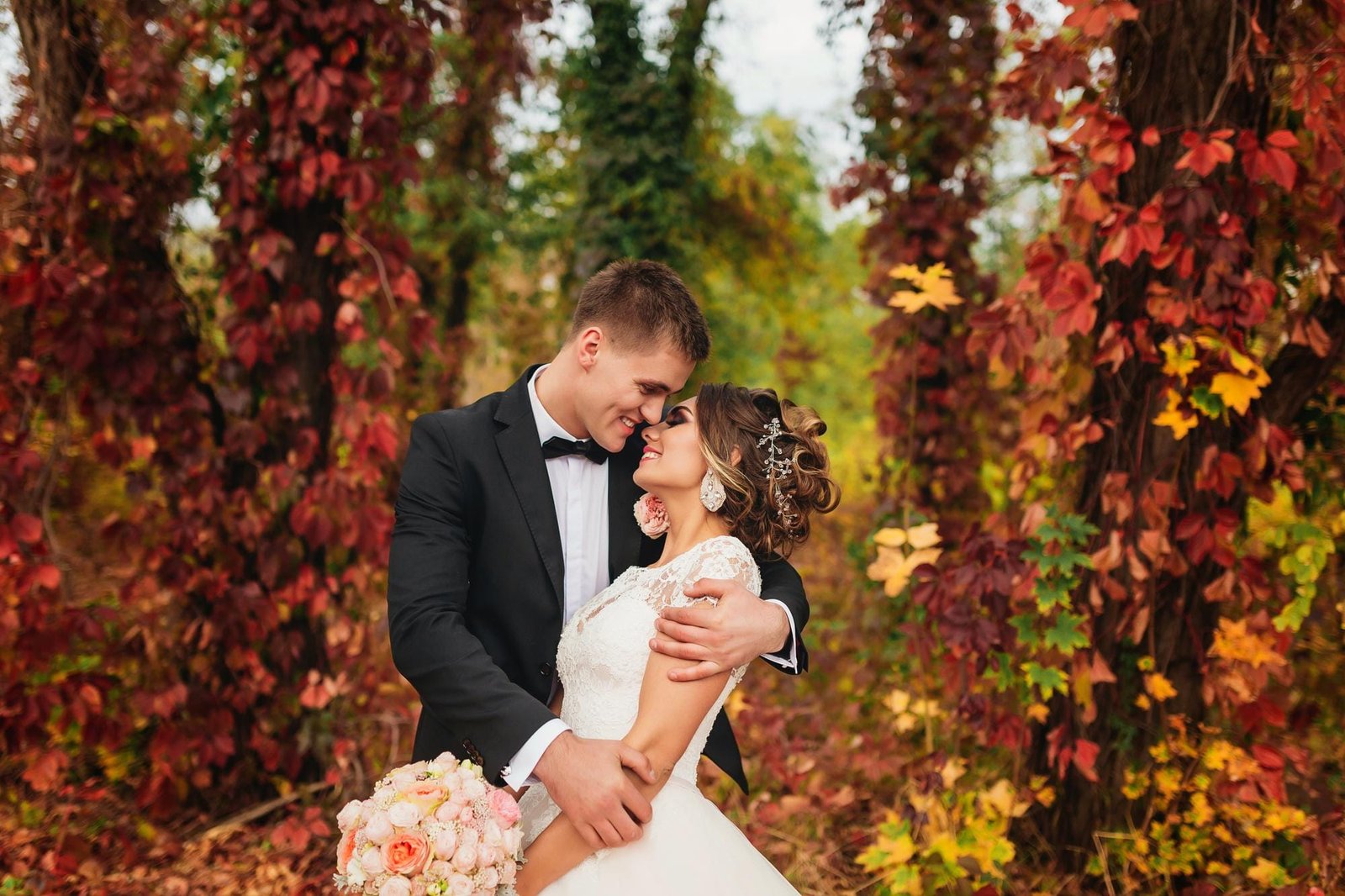
This exact gap is what fall wedding weather seasonal costs actually involve. A couple books an early October outdoor ceremony, drawn by the classic image of fall foliage and crisp air. They check one forecast, see a pleasant 68-degree average for their region, and stop looking. What that single number does not show: early fall temperatures in most of the country swing considerably between morning and evening, sometimes 25 degrees or more within the same day.
A 68-degree afternoon high can follow a 45-degree morning and precede a 50-degree evening, right as their reception moves outdoors for dinner. Nobody checked the actual daily range. They checked the average, and the average told them almost nothing useful about what their actual guests would feel.
Nothing about this scenario involved a dishonest forecast. The problem is rarely one dramatic storm. It is a pattern of smaller, specific gaps between a general seasonal impression and the actual conditions on one particular date: temperature swings couples did not price for, a sunset moving earlier by several minutes each week, vendor rates shaped by peak fall demand, and a hurricane season that has not technically ended even though summer feels over. Early fall behaves like its own distinct season, not late summer with cooler evenings.
This guide walks through what to verify specifically for an early fall wedding: season, date, and demand interaction. Weather and daylight patterns worth checking. Travel and guest costs, vendor availability and pricing pressure, venue comfort and logistics, and a real seasonal backup plan. Every claim here traces to a named source with an access date, not a general impression of what fall usually feels like.
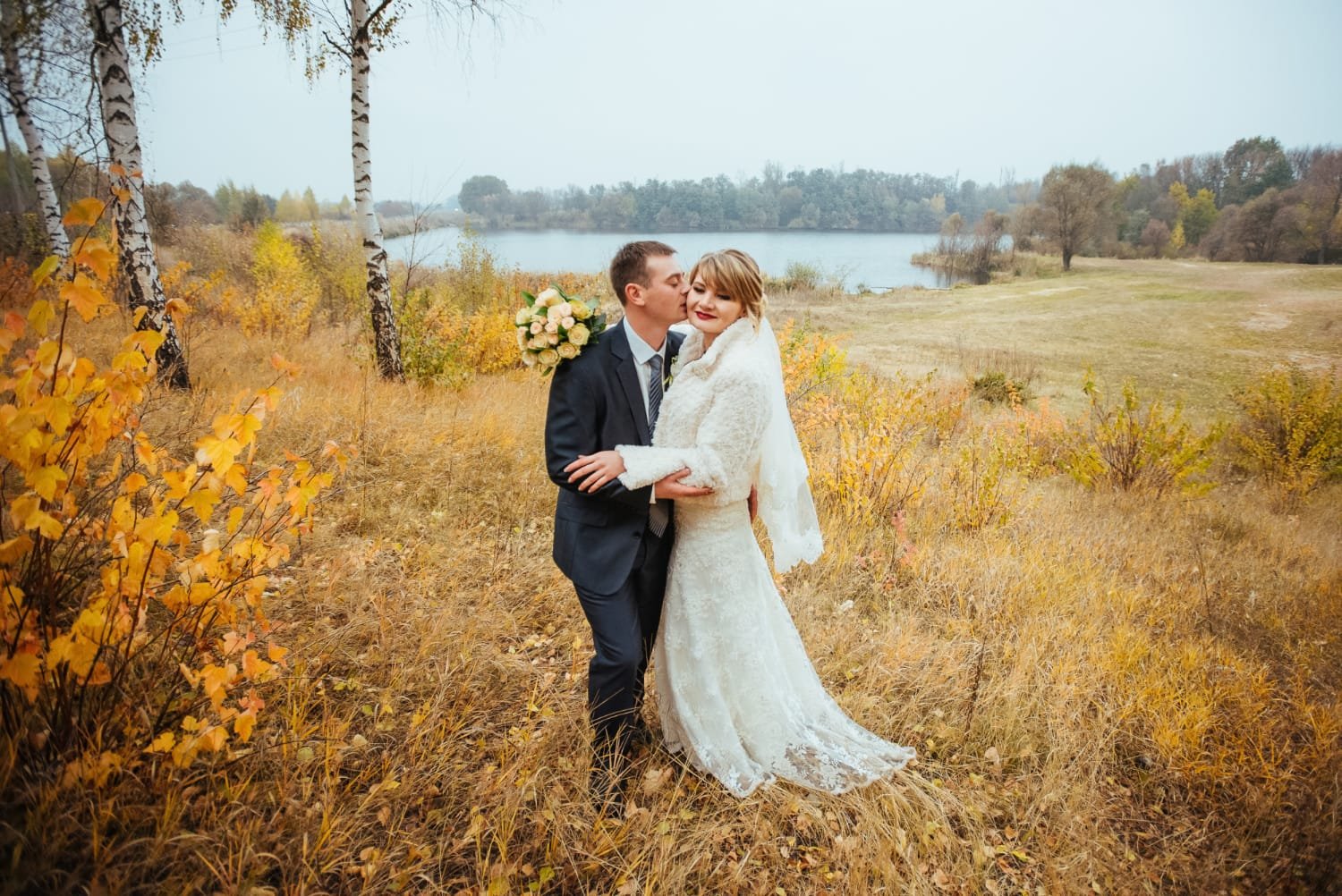
Quick Answer: What Drives Fall Wedding Weather Seasonal Costs
Four factors account for most of the real cost and planning gaps specific to an early fall wedding.
Daily temperature swings matter more than the seasonal average. A pleasant average high can still include a genuinely cold morning and evening.
Daylight shifts noticeably week to week. A ceremony timed for early September light can miss golden hour entirely by mid-October.
Vendor pricing reflects genuine peak-season demand. Early fall remains one of the most popular wedding windows nationally, not a shoulder season.
Hurricane season technically overlaps with early fall. September and October still fall within the Atlantic hurricane season’s active window in many years.
The rest of this guide builds out each of these into something you can actually verify against your specific date and region.
What Nobody Mentions Until It Happens
These are not dramatic weather disasters. They are small, specific gaps between a general seasonal impression and one particular wedding day.
The average that hid the actual swing
A forecast showing a pleasant average temperature for your month says nothing about how much that day’s temperature actually swings between morning and evening. Early fall carries some of the largest daily swings of the year in much of the country.
The sunset that moved earlier by the time the wedding arrived
A couple planning their timeline in July, based on July’s sunset time, sometimes forgets that early fall sunset moves earlier by several minutes every single week, not a fixed seasonal constant.
The forecast source that disagreed with another forecast source
Different forecasting organizations sometimes reach genuinely different seasonal predictions for the same region. Treating any single source as certain, rather than one input among several, creates real planning risk.
The vendor pricing that assumed “off-season” incorrectly
Early fall is not a discount season in most of the country. Couples assuming reduced demand sometimes discover vendor calendars as full, and prices as high, as peak summer.
Season, Date, and Demand
Early fall carries a specific calendar logic worth understanding before you assume this window is quieter or cheaper than peak summer.
Confirm early fall’s actual demand position, not an assumption
September and October remain among the most popular wedding months nationally, driven by comfortable temperatures and foliage appeal. Confirm your specific vendors’ actual availability rather than assuming reduced demand.
Track your specific booking window against realistic lead times
Popular early fall dates, particularly weekends in peak foliage windows, can book a year or more in advance for in-demand vendors. Confirm your timeline against actual vendor calendars, not a general sense of urgency.
Watch for date-specific demand spikes within the season itself
A specific weekend near peak foliage, or one coinciding with a local festival or major sporting event, can carry higher demand and pricing than a nearby date just weeks earlier or later.
Weather and Daylight: The Core of Fall Wedding Weather Seasonal Costs
This is where a general seasonal impression most often diverges from what a specific date actually delivers.
Confirm actual daily temperature swings for your region
Early fall carries some of the year’s largest gaps between daily high and low temperatures in much of the country. Check your specific region’s typical daily range, not just its average high.
Confirm sunset timing for your exact date, not a general seasonal sense
Sunset moves noticeably earlier through September and October, sometimes several minutes per week. Confirm the exact sunset time for your specific date and location when building your ceremony and photo timeline.
Understand this season’s actual forecast uncertainty, from named sources
NOAA’s Climate Prediction Center outlook, updated August 20, 2026, points toward warmer-than-average conditions across most of the country from September through November, tied to a strengthening El Niño pattern. The Old Farmer’s Almanac, using a different, proprietary forecasting method, predicts the opposite for the same months in several regions: cooler and drier than average. Treat any single source as one input, not a certainty, and check your specific region against the actual forecast closer to your date.
Confirm hurricane season’s actual overlap with your date
Atlantic hurricane season runs through November, meaning September and October remain within the active window in most years. This does not mean a storm will affect your specific date. It means checking current, updated forecasts as your date approaches, rather than assuming hurricane season effectively ends when summer does.
Travel and Guest Costs
Guest travel costs shift with the season too, worth confirming directly rather than assuming a generic estimate applies.
Confirm airfare and lodging pricing reflects this specific window
Popular fall travel weeks, particularly around school breaks or foliage tourism peaks, can carry premium pricing similar to summer travel. Confirm actual current pricing for your specific dates and destination.
Confirm whether your date conflicts with the school calendar
Early fall falls within the school year for most families, unlike a summer wedding. Confirm this does not create a genuine conflict for guests with school-age children.
Confirm road and traffic conditions specific to foliage season
Popular fall-foliage regions see real tourist traffic increases that can affect guest travel time. Confirm realistic drive times for guests traveling through a known foliage-tourism corridor.
Vendor Availability and Pricing
Vendor pricing during early fall reflects genuine demand, not a discount season, and confirming this directly prevents a real budget surprise.
Confirm current vendor pricing, not a summer-based assumption
Many couples assume fall pricing runs lower than peak summer. Confirm your specific vendors’ actual early fall rates directly, since demand in this window often matches or exceeds summer pricing.
Confirm vendor availability realistically, given peak-season competition
Popular early fall dates can see certain vendor categories, particularly photography and florals tied to foliage demand, booked considerably earlier than other seasons. Confirm your timeline reflects this realistic booking pressure.
Confirm any weather-contingency terms specific to this season
Ask vendors directly how they handle a specific weather scenario relevant to early fall: an unexpected cold snap, an early frost, or a lingering tropical system. Confirm this before signing, not after a forecast changes.
Venue Comfort and Logistics
Real comfort details matter more in early fall than most couples expect, precisely because fall wedding weather seasonal costs feel mild in general terms while specific moments can genuinely surprise guests.
Confirm heating options for an outdoor or semi-outdoor venue
An evening reception, even in a generally mild month, can turn genuinely cold once the sun sets. Confirm your venue has real heating options, patio heaters or an enclosed space, not just an assumption that fall evenings stay comfortable.
Confirm attire guidance reflects the actual temperature swing
Guests dressing for a pleasant afternoon high sometimes find themselves genuinely cold by evening. Consider mentioning the expected temperature range on your wedding website so guests can dress and layer appropriately.
Confirm your venue’s actual daylight-dependent logistics
An outdoor ceremony timed for a specific light quality needs to account for the actual sunset time on your date, not a general summer-based assumption. Confirm this with your photographer and coordinator directly.
Seasonal Backup Plan
A real backup plan for early fall accounts for the specific risks this season carries, not a generic rain contingency alone.
Build a specific temperature-swing contingency
Confirm blankets, an indoor warming space, or heating equipment are genuinely available if evening temperatures drop more than forecast. This is a real, specific plan, not an assumption someone will improvise if needed.
Build a specific decision timeline for weather-related changes
Agree with your venue and key vendors on a specific deadline for deciding whether to move an outdoor element indoors, rather than making that call under pressure as conditions shift.
Confirm guest communication plans for a weather-related change
If conditions require a last-minute adjustment, confirm how guests will actually be notified, especially any guests already traveling when the change happens.

Green, Yellow, and Red Flags in Fall Wedding Weather Seasonal Costs
Green flag: a venue and vendors who can speak specifically to typical daily temperature swings and evening comfort for your exact date and location. Yellow flag: a vendor with limited early-fall experience but genuinely willing to plan around a specific weather contingency you raise directly. Red flag: anyone insisting early fall carries no real weather risk, dismissing daily temperature swings or lingering hurricane season entirely.
Before You Book
- Confirm actual daily temperature swings for your region and date.
- Confirm exact sunset time for your specific date, not a general estimate.
- Confirm current vendor pricing directly, without assuming a discount season.
- Confirm venue heating and comfort options for an evening event.
- Confirm a specific weather-decision deadline and guest communication plan.
Questions That Feel Awkward but Are Worth Asking
- What is the actual daily temperature swing you typically see this time of year?
- Can you confirm the exact sunset time for our specific date?
- What real heating options exist if the evening runs colder than forecast?
- Is your early fall pricing actually different from peak summer, or the same?
- What is our specific decision deadline if weather requires a change?
Guest Experience Check: Fall Wedding Weather Seasonal Costs From a Guest’s View
Guests experience seasonal weather directly, not as an abstract forecast, worth considering from their specific perspective.
Communicate realistic temperature expectations directly
Share the actual expected temperature range on your wedding website, not just “fall weather,” so guests can genuinely prepare rather than guess.
Consider guests unfamiliar with your region’s specific fall pattern
A guest traveling from a warmer climate may genuinely underestimate how cold an early fall evening feels in your specific region. Direct, specific guidance helps more than a general seasonal mention.
Worst-Case Scenario — and the Backup Plan
Picture this: your early October outdoor reception was forecast at a pleasant 65 degrees, but an unexpected cold front drops the actual evening temperature to 42, and half your guests are in short sleeves.
A workable response starts with the specific contingency built earlier in this guide. If blankets, patio heaters, or an indoor space were confirmed in advance, this becomes a manageable adjustment, not a crisis. Your designated point of contact activates the plan directly: heaters turned on, blankets distributed, and if needed, the reception genuinely moved indoors using the pre-agreed decision deadline. None of this requires panic. It requires the specific plan this guide has already walked through, ready before the temperature swing actually happened.
A Fall Wedding Weather Seasonal Costs Checklist
- ☐ Actual daily temperature swing confirmed for your region and date: ____________
- ☐ Exact sunset time confirmed for your specific date: ____________
- ☐ Current vendor pricing confirmed, not assumed as discounted: ____________
- ☐ Venue heating and comfort options confirmed for evening hours: ____________
- ☐ Hurricane-season contingency confirmed with your venue directly: ____________
- ☐ Weather-decision deadline and guest communication plan confirmed: ____________
- ☐ Attire guidance shared with guests reflecting the real temperature range: ____________
Regional Variation: Why “Fall Weather” Means Different Things
Early fall conditions genuinely differ by region, and treating this season as one uniform experience nationally overlooks real, specific differences.
Confirm your specific region’s outlook, not a national average
The Pacific Northwest, the Southern Plains, and the Northeast can carry meaningfully different early fall patterns in the same calendar year. NOAA’s regional outlook, updated August 20, 2026, shows the Pacific Northwest leaning toward above-average temperatures while several Midwest and Ohio Valley states show equal chances of a warm, cool, or average fall. Confirm your specific region’s actual outlook.
Confirm whether your region shows a mid-season temperature shift
Some regions, including the Southern Plains, show a documented pattern of shifting from above-average September temperatures to below-average conditions by October and November. Confirm whether this kind of shift applies to your specific location and date.
Confirm precipitation patterns separately from temperature
Temperature and precipitation outlooks do not always move together. A region expecting warmer temperatures may simultaneously expect wetter or drier conditions than average. Check both factors separately for your specific location.
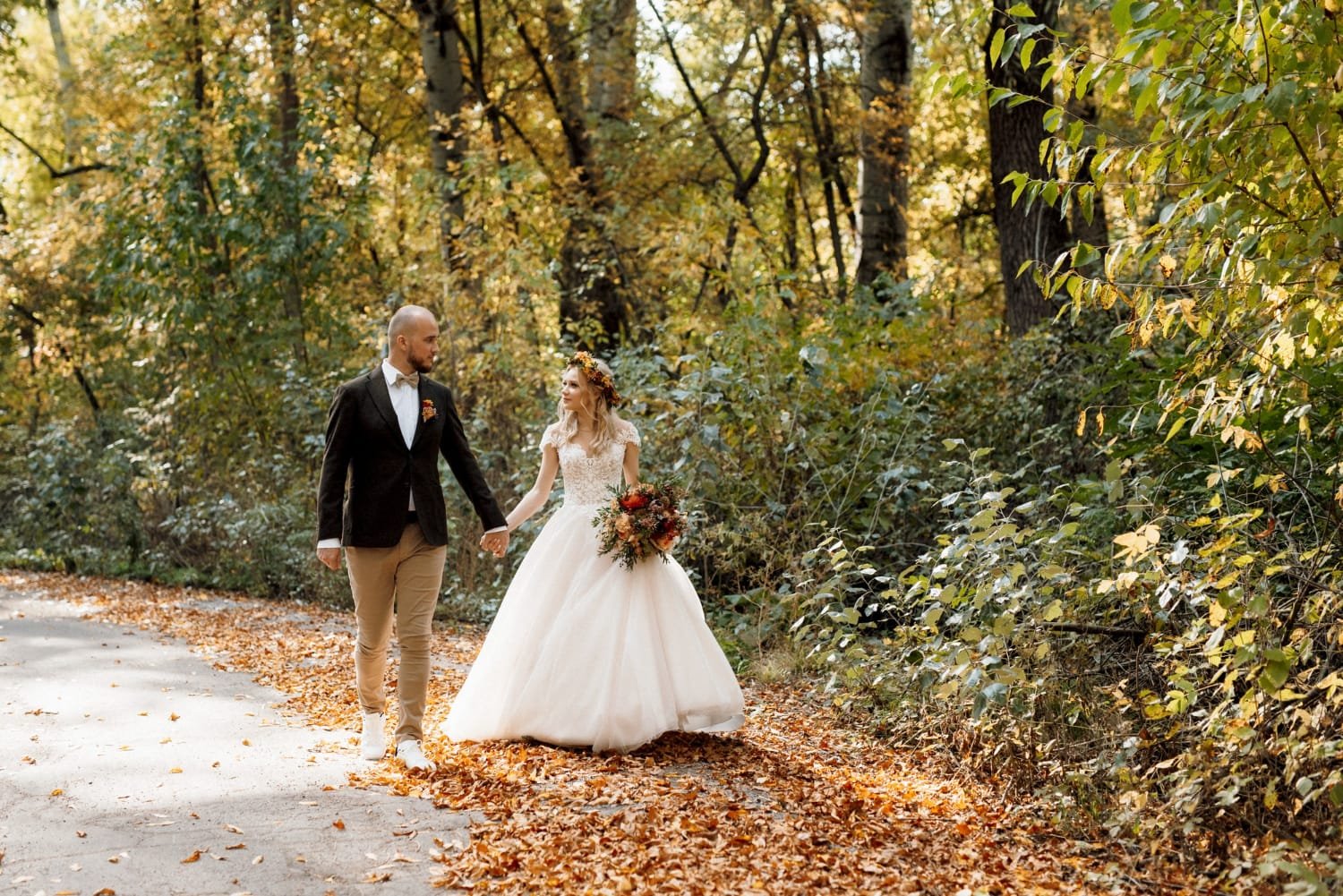
First Frost Dates and Late-Season Outdoor Weddings
For a wedding pushing toward the later end of early fall, first frost timing becomes a genuinely relevant planning detail.
Confirm your region’s typical first frost date
First frost dates vary considerably by latitude and elevation, and a late-October wedding in a northern or higher-elevation region may fall close to or after typical first frost timing. Confirm this for your specific location.
Confirm how frost risk affects outdoor floral and decor elements
Certain flowers and outdoor decor elements can be affected by an unexpected early frost. Confirm with your florist how this risk is handled if your date falls in a frost-vulnerable window.
Wedding Party and Guest Attire for Temperature Swings
Dressing for a season with genuine daily temperature swings deserves more specific guidance than a general “fall wedding attire” suggestion.
Consider layering options for the wedding party specifically
A wedding party standing outdoors for photos during the coldest part of the day benefits from layering options: a wrap, a jacket, or warm accessories available even if not part of the main look.
Communicate specific guest attire guidance beyond “dress warmly”
Share the actual expected temperature range and note whether the ceremony, reception, or both happen outdoors, so guests can make genuinely informed choices about layers rather than guessing.
Confirm hair and makeup plans account for temperature and wind
Outdoor hair and makeup can behave differently in cooler, windier fall conditions than in summer humidity. Confirm your stylist has relevant experience with your specific conditions.
Accessibility Check: Fall-Specific Considerations
A few accessibility details connect specifically to early fall conditions, worth direct attention alongside general venue accessibility.
Confirm accessible routes remain clear of fallen leaves or debris
Wet fallen leaves can create a genuine slip hazard on outdoor accessible routes. Confirm your venue’s maintenance plan for this specific seasonal condition.
Confirm temperature accommodations for guests with specific medical needs
Some medical conditions increase sensitivity to temperature swings specifically. Confirm indoor space or seating is available for any guest who may need to step away from outdoor cold.
Catering Considerations for Temperature Swings
Food service intersects with early fall’s temperature swings in specific ways worth confirming with your caterer directly.
Confirm outdoor food holding plans account for cooler evening temperatures
Cooler evening air can affect how quickly hot food loses temperature during outdoor service. Confirm your caterer’s specific plan for maintaining proper food temperature as evening conditions cool.
Consider a warmer menu option for a cooler evening reception
A menu built for summer’s heat may not suit a genuinely cool fall evening. Discuss whether your menu selections still make sense given your actual expected temperature range.
Photography Timeline and Fall Light Quality
Fall light carries a genuinely different quality than summer, worth discussing specifically with your photographer.
Confirm your photographer’s experience with fall’s specific light angle
The sun sits at a different angle in early fall than in summer, changing shadow length and golden hour timing. Confirm your photographer has genuine experience working with this specific seasonal light.
Confirm your timeline reflects the actual, current sunset time
A timeline built around an earlier season’s sunset time will not match reality once that time has shifted. Confirm this specifically and recently, not from an early planning conversation months earlier.
A Comparison: Early Fall vs. Other Seasons
| Factor | Summer | Early fall |
|---|---|---|
| Vendor demand | High | Often equally high |
| Daily temperature swing | Smaller | Often larger |
| Sunset timing stability | Relatively stable | Shifts noticeably week to week |
| Hurricane season overlap | Active | Still active through November |
| Foliage/tourism traffic | Regional, variable | Real increase in foliage regions |
What Pinterest Does Not Show You
Styled fall photos show warm golden light and cozy sweaters. They never show the actual temperature the moment the photo was taken.
The perfect fall photo often happened during a narrow comfort window
Styled shoots’ beautiful light and comfortable-looking attire often reflect careful timing around that specific day’s actual conditions, not a guarantee that any early fall afternoon looks and feels the same.
Styled shoots rarely show the temperature swing across a full event
Single beautiful frames do not reveal what the same location felt like three hours earlier or later, when the real temperature swing this guide has covered throughout actually happened.
Legal Check: Event Insurance and Weather-Related Cancellation
Understanding what insurance actually covers for weather matters directly given early fall’s real, if unpredictable, risk profile.
Confirm what your event insurance actually covers for weather
Wedding event insurance policies vary in what qualifies as a covered weather event. Confirm whether your specific policy covers postponement due to a named storm, general severe weather, or neither, before assuming broad protection exists.
Confirm your vendor contracts’ weather-specific force majeure language
A generic force majeure clause may or may not clearly address a weather scenario specific to early fall, like a tropical system. Confirm this directly rather than assuming standard language covers your specific concern.
Confirm the actual claims process and required documentation
If you do need to file a weather-related claim, confirm in advance what documentation your insurer requires, such as an official weather advisory or venue closure notice, so you are prepared rather than scrambling during an already stressful situation.
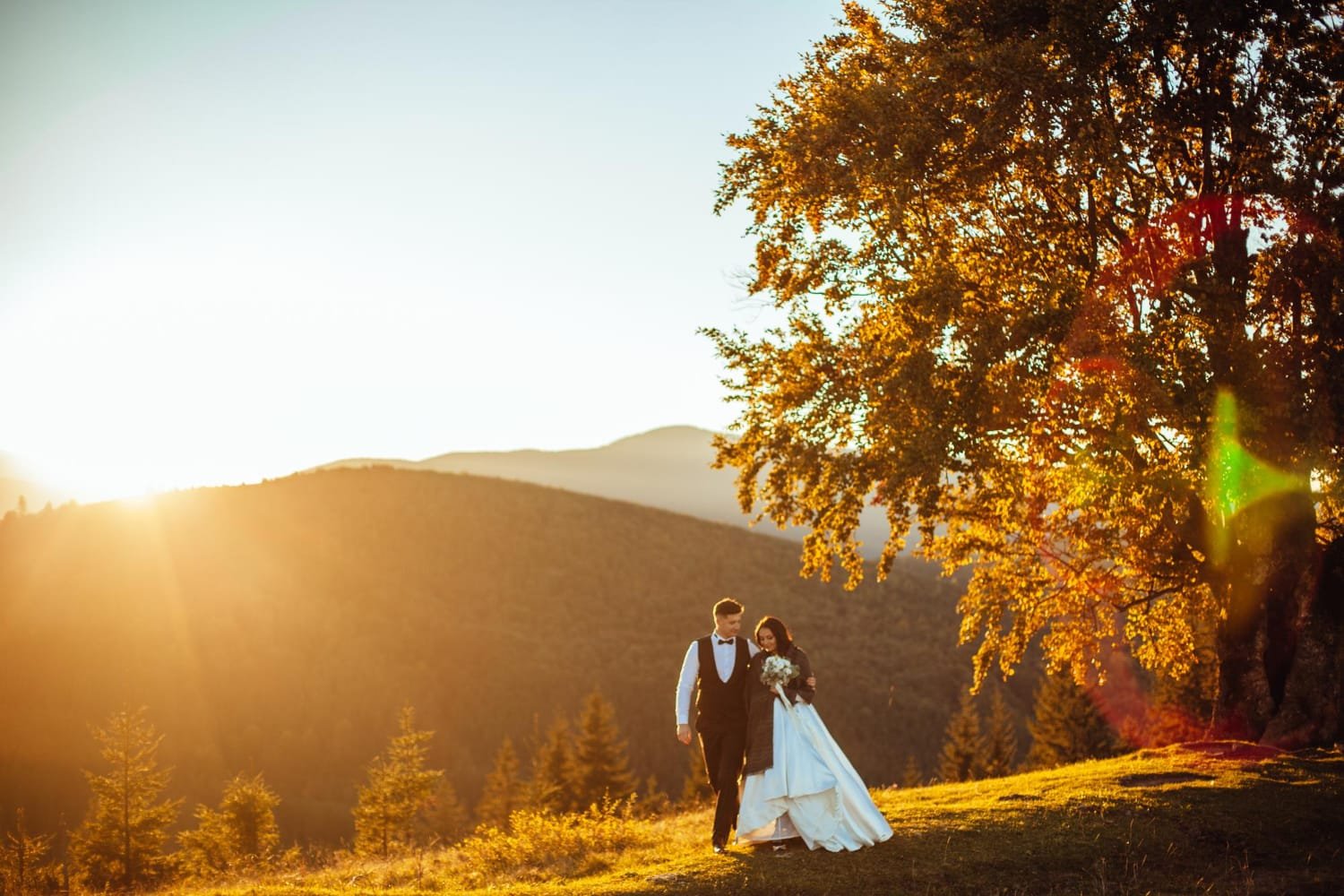
What a Well-Verified Fall Wedding Plan Actually Looks Like
Not every story needs to be cautionary. Here is what genuine verification produces in practice.
A specific, worked example
A couple planning an early October ceremony checks their venue’s specific region against NOAA’s current seasonal outlook, confirms the exact sunset time for their date directly with a reliable source, and asks their venue coordinator about typical evening temperature swings. They add a line to their wedding website noting expected temperatures and suggesting layers. Their caterer confirms outdoor food-holding equipment rated for cooler evening air. On the actual day, temperatures do dip as the sun sets, but blankets are ready, the timeline already accounted for the real sunset time, and guests arrived dressed appropriately because they knew what to expect.
What made the difference
Nothing about this required treating fall as a risky season to avoid. It required checking specific, current, named sources rather than a general seasonal impression, and building a few concrete accommodations directly into the existing plan.
Bringing It Together
Every section in this guide points toward the same underlying practice: treat “fall wedding” as a specific date and location to verify, not a general seasonal category to plan around. The season’s genuine appeal, comfortable days, foliage, a sense of transition, remains real. So does its specific, checkable variability.
None of this requires anxiety about choosing this season. It requires checking your specific date’s actual daily temperature range, exact sunset time, and current, named forecast sources, then building a few concrete accommodations directly into your existing plan rather than assuming general “fall weather” covers every detail automatically.
Transportation and Foliage Tourist Traffic
Real traffic increases in popular fall-foliage regions deserve specific transportation planning, separate from general travel guidance.
Confirm actual drive times during peak foliage weekends
A route that normally takes forty minutes can genuinely take considerably longer during a popular foliage weekend in a known tourist corridor. Confirm current, realistic drive times rather than a normal-conditions estimate.
Confirm rideshare availability in foliage-heavy tourist areas
Rideshare demand and pricing can spike in popular foliage destinations during peak weekends, similar to any high-tourism period. Confirm this directly if guests plan to rely on rideshare services.
Build extra time into guest transportation planning
If you are providing guest transportation, build real buffer time into the schedule for foliage-season traffic, rather than assuming normal, non-peak travel times apply.
Weekday Early Fall Weddings: A Cost and Availability Alternative
A weekday date within the early fall season changes the demand equation considerably, worth genuine consideration.
Confirm whether a weekday date meaningfully changes vendor pricing
Some vendors offer real discounts for weekday dates, even within an otherwise high-demand season. Confirm this specifically rather than assuming weekday pricing is identical to a Saturday rate.
Weigh guest attendance trade-offs honestly
A weekday wedding may affect attendance for guests balancing work schedules. Weigh this honestly against any cost or availability benefit before deciding.
Rehearsal Dinners and Welcome Events: The Same Rules Apply
Pre-wedding events happening in the same seasonal window deserve the same specific verification as the main ceremony and reception.
Confirm outdoor rehearsal dinner or welcome event plans independently
A welcome event or rehearsal dinner scheduled outdoors carries the same temperature-swing and sunset-timing considerations as your main event. Confirm this specifically, rather than assuming your main wedding day planning automatically covers every event.
Confirm evening timing for any pre-wedding outdoor gathering
An evening welcome event, in particular, can face the same cooling temperatures covered throughout this guide. Apply the same comfort and contingency planning here too.

A Final Word on Treating Early Fall as a Real, Specific Season
Early fall is not late summer with slightly cooler evenings, and it is not the uniform, gentle transition season it sometimes gets marketed as. It carries its own real, checkable patterns: genuine daily temperature swings, a sunset that moves noticeably week to week, demand and pricing that often matches peak summer, and a hurricane season that has not technically ended.
None of this makes early fall a poor choice. It makes early fall a season worth the same specific verification this guide has applied throughout, rather than a general impression borrowed from wedding inspiration content built around one beautifully lit, carefully timed afternoon.
Wind: The Overlooked Fall Weather Factor
Wind gets far less attention than temperature or rain in most wedding weather discussions, despite being a genuinely common early fall factor in many regions.
Confirm wind exposure at your specific outdoor location
Some venues sit in genuinely more wind-exposed locations than others, affecting everything from hair and decor to guest comfort. Confirm this directly during a site visit, ideally at a similar time of day to your actual event.
Confirm decor and signage are secured against realistic wind conditions
Lightweight decor, unsecured signage, and certain floral installations can genuinely struggle in wind that a calm summer day never tested. Confirm your florist and decor vendors have accounted for this.
Confirm your hair and makeup plan accounts for wind, not just humidity
Wind affects hairstyling differently than humidity does, and a stylist experienced primarily with summer humidity may not automatically account for a windy fall day. Confirm this directly if your ceremony is in a genuinely exposed outdoor location.
Why This Verification Effort Genuinely Matters
Weather is the one wedding-day factor no vendor, no budget, and no amount of planning can fully control. What you can control is how well-prepared your plan is for the season’s actual, documented patterns rather than a general impression of what fall usually feels like.
None of this requires becoming a meteorologist. It requires checking a small number of specific, current, named sources, your region’s daily temperature swing, your date’s exact sunset time, and current seasonal outlooks, then building a few concrete accommodations directly into a plan you likely already have well underway. The couples who avoid a genuine fall-weather surprise are rarely the ones who worried the most. They are the ones who checked the specific numbers for their specific date.
Frequently Asked Questions
What are the biggest fall wedding weather seasonal costs couples miss?
Daily temperature swings that a seasonal average hides, vendor pricing assumed to be discounted when it actually matches peak summer, and a sunset time that has shifted considerably from when the couple originally planned their timeline. Individually small, these commonly compound into real surprises.
Is early fall actually a cheaper time to get married?
Not necessarily. September and October remain among the most popular wedding months nationally, and vendor pricing often reflects this genuine demand rather than a discount off-season. Confirm your specific vendors’ actual pricing directly rather than assuming a seasonal discount.
How much can temperatures actually swing during an early fall day?
This varies by region, but early fall carries some of the year’s largest gaps between daily high and low temperatures in much of the country, sometimes 25 degrees or more within the same day. Check your specific region’s typical daily range directly.
Should we worry about hurricane season for a September or October wedding?
Atlantic hurricane season runs through November, so September and October remain within the active window in most years. This does not mean a storm will affect your specific date, but it means checking current forecasts as your date approaches rather than assuming the season has ended.
How much does sunset time actually change during early fall?
Noticeably, often several minutes earlier each week through September and October. Confirm the exact sunset time for your specific date and location when building your ceremony and photo timeline, rather than relying on an earlier season’s timing.
Why do different weather forecasts disagree about the same fall season?
Different forecasting organizations use different methods and data. NOAA’s Climate Prediction Center relies on scientific climate modeling, while sources like the Old Farmer’s Almanac use a separate, proprietary formula. Treat any single source as one input, not a certainty, and verify closer to your actual date.
What should our wedding website tell guests about fall weather?
Share the actual expected temperature range for your specific date and time, not just a general mention of “fall weather,” so guests can genuinely prepare with appropriate layers rather than guessing.
What is the single most useful check for fall wedding weather seasonal costs?
Confirming your region’s actual daily temperature swing and your exact date’s sunset time directly, rather than relying on a general seasonal impression. These two specific checks address most of what actually surprises couples.
Does early fall weather vary a lot by region?
Yes, significantly. The Pacific Northwest, the Southern Plains, and the Northeast can carry meaningfully different patterns in the same calendar year. Confirm your specific region’s actual outlook rather than assuming a national trend applies to your location.
What is a temperature shift pattern, and does it affect my wedding?
Some regions, including the Southern Plains, show a documented pattern of shifting from above-average September temperatures to below-average conditions by October and November. Confirm whether this kind of shift applies to your specific location and date.
Do temperature and precipitation forecasts always move together?
No, they can move independently. A region expecting warmer temperatures may simultaneously expect wetter or drier conditions than average. Check both factors separately for your specific location rather than assuming one implies the other.
Should we worry about frost for a late-October outdoor wedding?
This depends on your specific region’s typical first frost date, which varies considerably by latitude and elevation. A late-October wedding in a northern or higher-elevation area may fall close to or after typical first frost timing, worth confirming directly.
Can frost affect our wedding flowers or outdoor decor?
Yes, certain flowers and outdoor decor elements can be affected by an unexpected early frost. Confirm with your florist how this risk is handled if your date falls in a frost-vulnerable window for your region.
Where can we find our specific region’s actual weather outlook?
NOAA’s Climate Prediction Center publishes regional seasonal outlooks directly, updated periodically throughout the year. Check this source specifically for your region rather than relying on a general national summary.
What should our wedding party wear for outdoor fall photos?
Consider layering options: a wrap, jacket, or warm accessories available even if not part of the main look, particularly for photos during the coldest part of the day. This lets the wedding party stay comfortable without compromising the overall aesthetic.
How specific should our guest attire guidance actually be?
Share the actual expected temperature range and note whether the ceremony, reception, or both happen outdoors, rather than a general “dress warmly” suggestion. Specific information lets guests make genuinely informed choices about layers.
Does cooler fall weather affect outdoor hair and makeup differently than summer?
Cooler, windier fall conditions can behave differently than summer humidity, yes. Confirm your stylist has relevant experience with your specific conditions, particularly for an outdoor ceremony.
Can fallen leaves create accessibility problems at an outdoor fall wedding?
Yes, wet fallen leaves can create a genuine slip hazard on outdoor accessible routes. Confirm your venue’s maintenance plan for this specific seasonal condition, particularly along any wheelchair-accessible path.
Should we plan indoor space for guests sensitive to temperature swings?
This is worth planning for if any guest has a medical condition increasing sensitivity to temperature changes. Confirm indoor space or seating is available for any guest who may need to step away from outdoor cold.
What is the most overlooked fall-specific accessibility detail?
Fallen leaf debris on accessible routes, since this seasonal hazard is easy to overlook when focused on general venue accessibility. Confirm this specifically with your venue rather than assuming standard maintenance covers it.
Does cooler fall weather affect how caterers hold food temperature outdoors?
Yes, cooler evening air can affect how quickly hot food loses temperature during outdoor service. Confirm your caterer’s specific plan for maintaining proper food temperature as evening conditions cool, particularly for a later reception.
Should we choose different menu items for a cool fall evening?
Consider this directly with your caterer. A menu built for summer’s heat may not suit a genuinely cool fall evening, so discuss whether your current selections still make sense given your actual expected temperature range.
Does fall light actually look different in photos than summer light?
Yes, the sun sits at a different angle in early fall, changing shadow length and golden hour timing compared to summer. Confirm your photographer has genuine experience working with this specific seasonal light quality.
How often should we reconfirm our wedding timeline against sunset time?
Reconfirm this specifically and recently, not just from an early planning conversation months earlier, since sunset time shifts noticeably week to week through early fall. A final check closer to your date protects your actual photo timeline.
Is early fall generally a good choice for wedding photography?
Many photographers genuinely favor fall light for its warm tones and dramatic shadows, though this depends on working with the season’s specific conditions rather than assuming it behaves like summer. Confirm your photographer’s direct experience and approach.
What is the most practical first step for verifying our own fall wedding plan?
Check your specific date’s actual sunset time and typical evening temperature this week, using a current, named source, then compare this against your existing timeline and attire guidance to confirm they still align.
How does early fall really compare to summer for a wedding?
Vendor demand is often equally high, but early fall carries a larger daily temperature swing, a sunset time that shifts noticeably week to week, and hurricane season still active through November. Foliage regions also see real increased tourist traffic affecting guest travel.
Do styled fall wedding photos accurately represent typical conditions?
Not necessarily. Styled shoots’ beautiful light and comfortable-looking attire often reflect careful timing around that specific day’s actual conditions, not a guarantee that any early fall afternoon looks and feels the same.
Why doesn’t a single beautiful photo tell us much about the whole day’s weather?
Single beautiful frames do not reveal what the same location felt like three hours earlier or later, when the real temperature swing this guide has covered throughout actually happened. One moment is not the whole day.
Is hurricane season a bigger concern for early fall than late summer weddings?
The active window is similar, since Atlantic hurricane season runs through November regardless of exact date within that window. Confirm current forecasts as your specific date approaches rather than assuming any particular month within the season is meaningfully safer.
Should we choose summer over early fall to avoid these seasonal complications?
Not necessarily. Every season carries its own specific factors worth verifying directly. Early fall’s foliage appeal and comfortable daytime temperatures remain genuinely appealing; the goal of this guide is informed planning, not steering you away from the season.
What is the biggest difference between planning for early fall versus a fixed seasonal assumption?
Treating “early fall” as one uniform condition versus checking your specific date, region, and current forecast directly. The latter approach catches the real variability this guide has covered throughout.
Does wedding insurance cover cancellation due to bad weather?
This depends entirely on your specific policy. Some cover postponement due to a named storm or general severe weather; others do not. Confirm what your specific policy actually covers before assuming broad protection exists.
Should we ask our vendors specifically about weather-related force majeure language?
Yes, directly. A generic force majeure clause may or may not clearly address a scenario specific to early fall, like a tropical system. Confirm this rather than assuming standard language covers your specific concern.
What documentation do we need if we file a weather-related insurance claim?
This varies by insurer, but confirm in advance what is required, such as an official weather advisory or venue closure notice, so you are prepared rather than scrambling during an already stressful situation.
Is event insurance worth purchasing specifically for an early fall wedding?
Given hurricane season’s overlap with September and October, many couples find this worth the modest cost, though this is a personal risk-tolerance decision. Review your specific policy’s weather coverage directly before deciding.
Can a vendor refuse to honor a force majeure clause for ordinary bad weather?
Generally, force majeure clauses are meant for genuinely severe, unusual events, not ordinary rain or a normal cold evening. Confirm your specific contract’s actual threshold for what qualifies before assuming routine weather triggers this protection.
What is the realistic timeline for confirming our weather-related insurance and contract coverage?
Ideally during your initial vendor and insurance research, well before your final payment deadlines, giving you real time to adjust your plan if you discover a genuine gap in coverage.
What does genuine fall wedding weather verification actually involve?
Checking your specific region against NOAA’s current seasonal outlook, confirming the exact sunset time for your date directly, and asking your venue about typical evening temperature swings, then building concrete accommodations, like blankets or a warmer menu, directly into your existing plan.
Should we avoid early fall entirely because of these seasonal variables?
Not necessarily. The season’s genuine appeal, comfortable days, foliage, a sense of transition, remains real. This guide’s goal is informed planning, not steering couples away from a season many find genuinely appealing.
How much extra planning does an early fall wedding really require compared to summer?
Modestly more, primarily around confirming specific temperature swings, exact sunset timing, and current forecast sources rather than relying on a general seasonal impression. The core planning process remains largely the same.
What is the most common mistake couples make with fall wedding weather planning?
Treating “fall weather” as one uniform, predictable condition rather than checking their specific date, region, and current forecast directly. This single habit, applied consistently, resolves most of what this guide has covered.
Should we build extra buffer time into our fall wedding timeline?
This is worth considering, particularly around sunset-dependent photography and any planned transition between outdoor and indoor spaces, since fall’s shifting daylight and temperature can affect timing more than a fixed summer schedule would.
What is the final, single most important takeaway from this entire guide?
Verify your specific date’s actual conditions directly, using current, named sources, rather than relying on a general sense of what “fall” typically feels like. This single habit addresses the majority of what this guide has covered throughout.
Does fall foliage tourism actually affect wedding guest travel times?
Yes, genuinely. A route that normally takes forty minutes can take considerably longer during a popular foliage weekend in a known tourist corridor. Confirm current, realistic drive times rather than relying on a normal-conditions estimate.
Is rideshare pricing higher during peak foliage season?
It can be, since rideshare demand and pricing often spike in popular foliage destinations during peak weekends, similar to any high-tourism period. Confirm this directly if guests plan to rely on rideshare services.
Should we build extra time into guest transportation for a foliage-season wedding?
Yes, if you are providing guest transportation, build real buffer time into the schedule for foliage-season traffic, rather than assuming normal, non-peak travel times will apply.
Do weekday weddings in early fall actually cost less than weekend dates?
Sometimes, yes, since some vendors offer real discounts for weekday dates even within an otherwise high-demand season. Confirm this specifically rather than assuming weekday pricing automatically matches a Saturday rate.
What is the biggest downside of choosing a weekday early fall wedding?
Guest attendance, since a weekday date can affect who is able to attend given work schedule constraints. Weigh this honestly against any cost or availability benefit before deciding.
Is a weekday wedding a good option for couples prioritizing vendor availability?
It can be, particularly for popular early fall dates where weekend availability is genuinely limited. Confirm this trade-off works for your specific guest list and priorities before committing.
Do rehearsal dinners and welcome events need the same weather verification as the main wedding?
Yes, an outdoor welcome event or rehearsal dinner carries the same temperature-swing and sunset-timing considerations as your main event. Confirm this specifically rather than assuming your main wedding day planning automatically covers every event.
Should an outdoor evening welcome event have the same cooling contingency as the wedding reception?
Yes, apply the same comfort and contingency planning, blankets, heating options, an indoor backup, since evening welcome events face the same cooling temperatures covered throughout this guide.
Is early fall really that different from what wedding marketing typically shows?
In terms of real, checkable variability, yes. Early fall is not late summer with slightly cooler evenings, nor the uniform, gentle transition season it sometimes gets marketed as. It carries genuine daily temperature swings and shifting daylight worth verifying directly.
Does this guide recommend against choosing an early fall wedding date?
No, this guide’s purpose is informed planning, not discouragement. Early fall’s genuine appeal remains real; the goal is applying the same specific verification this guide has covered throughout, rather than relying on a general seasonal impression.
What single habit best summarizes this entire guide’s approach?
Verifying your specific date, region, and current forecast directly, using named sources, rather than borrowing a general impression from wedding inspiration content built around one beautifully timed afternoon.
Where should someone start if they’re overwhelmed by everything in this guide?
Start with the checklist provided earlier: confirm your region’s actual daily temperature swing and your exact date’s sunset time this week. These two checks alone address most of what this guide has covered.
Does wind affect wedding decor more than couples usually expect?
Yes, often overlooked compared to temperature or rain. Lightweight decor, unsecured signage, and certain floral installations can genuinely struggle in wind that a calm summer day never tested. Confirm your florist and decor vendors have accounted for this.
Should we visit our outdoor venue at the actual time of day our ceremony happens?
This is genuinely useful, since wind exposure and other conditions can vary considerably by time of day at the same location. A site visit at a similar time to your actual event gives a more accurate sense of real conditions.
Does wind affect hair styling differently than humidity?
Wind affects styling differently than humidity does, and a stylist experienced primarily with summer humidity may not automatically account for a windy fall day. Confirm this directly if your ceremony is in a genuinely exposed outdoor location.
What is the most overlooked weather factor for early fall weddings?
Wind, which receives far less attention than temperature or rain in most wedding weather discussions, despite being a genuinely common factor in many early fall regions and locations.
Should we ask our venue directly about typical wind conditions?
Yes, this is a reasonable, specific question that many couples never think to ask, focused instead on temperature and rain alone. A direct question about wind rounds out your actual weather preparation.
Can we really control weather outcomes for our wedding day?
No, weather is the one wedding-day factor no vendor, no budget, and no amount of planning can fully control. What you can control is how well-prepared your plan is for the season’s actual, documented patterns.
Do we need specialized meteorology knowledge to plan a fall wedding well?
No, checking a small number of specific, current, named sources, daily temperature swing, exact sunset time, and current seasonal outlooks, requires no specialized expertise, just direct verification rather than relying on a general impression.
What actually distinguishes couples who avoid a genuine fall-weather surprise?
Not excessive worry, but checking the specific numbers for their specific date directly, using named, current sources, rather than assuming a general seasonal impression covers every detail.
How does this guide’s approach differ from typical fall wedding advice?
This guide grounds every claim in a named source with an access date, distinguishes documented patterns from general impressions, and focuses on specific, checkable verification rather than generic seasonal inspiration content.
The Decision Principle, and Your Next Step
Fall wedding weather seasonal costs rarely come from one dramatic storm. They come from a gap between a general seasonal impression and the specific conditions on one particular date. The fix is not assuming early fall behaves like late summer. It is checking actual temperature swings, sunset timing, and current vendor pricing directly for your specific date and region.
Check your specific date’s typical daily temperature range and exact sunset time this week, using a named, current source, not a general seasonal impression. That single check resolves more real uncertainty than any general guide, this one included, ever could on its own, and it takes considerably less time than adjusting a plan built on an assumption once the actual day arrives.
Your next step
Ask your venue and photographer directly: “What is the typical evening temperature and exact sunset time for our specific date?” Their answer, and how specifically they can give it, tells you whether your current plan actually accounts for early fall’s real conditions.
